
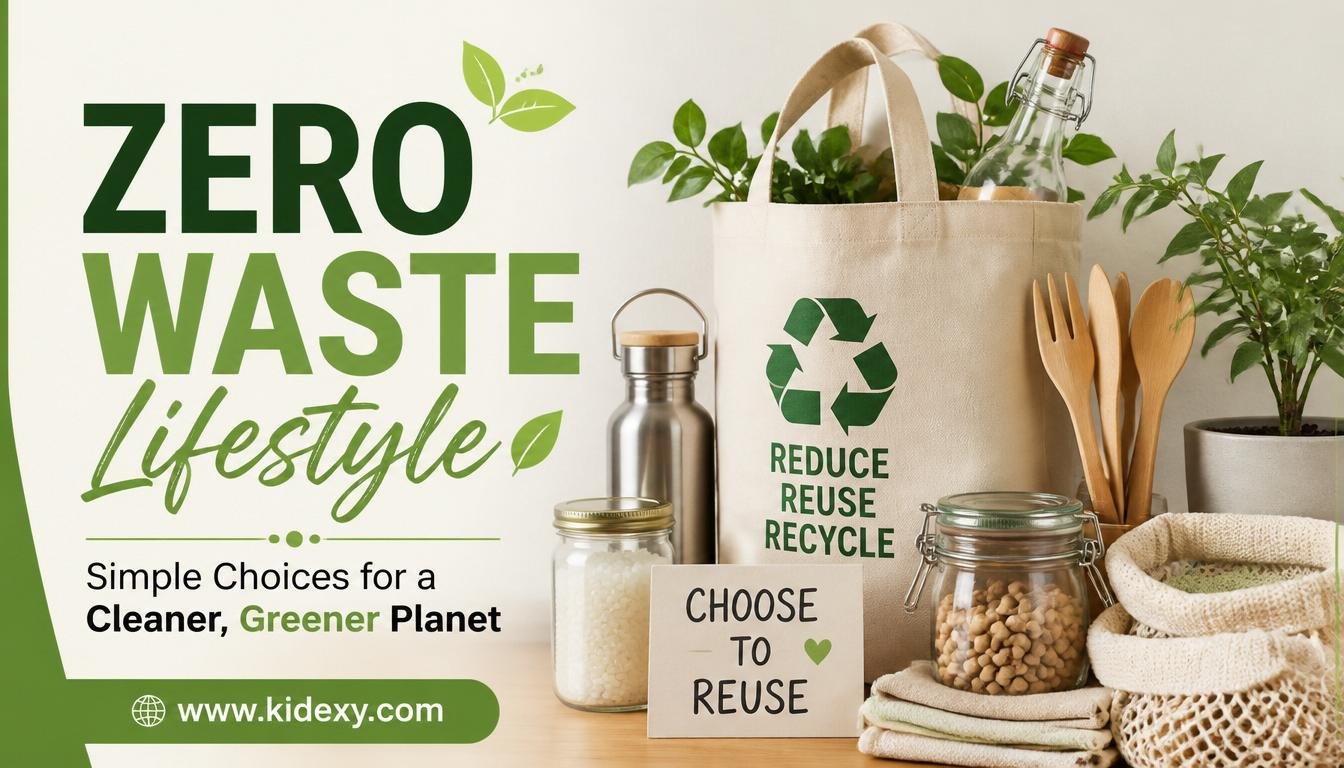
Introduction: Why Zero Waste Matters Today
Across the United States, growing waste levels and plastic pollution have made sustainable living more important than ever. Landfills are expanding, oceans are filling with plastic, and households continue to generate more trash than ever before. In response, many people are now shifting toward more responsible and mindful consumption habits.
This Zero Waste Lifestyle Beginner Guide USA is designed to help beginners understand how to reduce waste without pressure or perfection. The goal is simple: make small, realistic changes that reduce environmental impact while improving daily living. Anyone can start, even with minor adjustments in shopping, cooking, and household habits.
Understanding the Zero Waste Lifestyle Concept
What the Movement Really Means
The idea of a zero waste lifestyle is about reducing the amount of trash sent to landfills by rethinking how we consume and dispose of products. It is not about producing absolutely no waste, but about minimizing unnecessary waste as much as possible.
Instead of a strict or overwhelming approach, this lifestyle focuses on awareness, responsibility, and long-term sustainability. Small changes in behavior can lead to significant environmental benefits over time.
Why It Is Growing in the USA
In the USA, increasing environmental awareness has encouraged individuals, communities, and businesses to adopt greener practices. From reusable packaging to recycling programs, sustainable solutions are becoming more accessible.
This shift shows that people are no longer ignoring waste problems. Instead, they are actively searching for better alternatives that support long-term environmental health.
The 5 Principles of Waste Reduction
Refuse and Reduce First
The first step in waste reduction is refusing unnecessary items. This includes avoiding single-use plastics, promotional items, and anything that adds clutter without value.
Reducing consumption is equally important. Buying only what is needed helps prevent waste before it even starts, making this step one of the most powerful changes in sustainable living.
Reuse, Recycle, and Rot
Reusing items extends their life and reduces the need for constant replacements. Simple switches like reusable bottles, bags, and containers can significantly reduce household waste.
Recycling should always be done correctly according to local guidelines, while composting organic waste helps return nutrients to the soil. Together, these steps create a balanced and responsible system of living.
Benefits of a Zero Waste Approach
Environmental and Health Improvements
A major benefit of adopting a sustainable lifestyle is reducing pollution and conserving natural resources. Less plastic waste means cleaner oceans, safer wildlife habitats, and reduced landfill pressure.
Health also improves as people reduce exposure to harmful chemicals found in plastics and processed packaging materials.
Financial and Lifestyle Benefits
Living with less waste often leads to saving money. When people buy less and choose reusable options, they naturally reduce unnecessary spending.
This approach also creates a simpler lifestyle with less clutter, more organization, and better control over daily consumption habits.
How to Start a Zero Waste Journey
Begin with Simple Everyday Changes
Starting small is the most effective way to build long-term habits. A basic waste audit at home can help identify where most trash is produced.
Replacing disposable items with reusable alternatives is one of the easiest first steps. Items like cloth bags, refillable bottles, and metal utensils make a big difference over time.
Build Smarter Shopping Habits
Shopping consciously is key to reducing waste. Choosing products with minimal packaging and buying in bulk helps reduce unnecessary trash.
This guide encourages beginners to focus on gradual improvement rather than immediate perfection, making the transition more sustainable and realistic.
Challenges in Adopting Sustainable Living
Common Difficulties Beginners Face
Many people struggle with breaking old habits. Convenience culture and lack of awareness often make it difficult to maintain consistency.
Access to eco-friendly products may also be limited in some areas, making the transition feel challenging at first.
How to Overcome These Barriers
The best approach is gradual progress. Even one small change per week can build long-term impact.
Community support, online resources, and learning from others can make the journey easier and more motivating.
Zero Waste at Home: Practical Applications
Kitchen and Bathroom Changes
The kitchen is one of the biggest sources of household waste. Using reusable containers and avoiding packaged foods can significantly reduce trash output.
In bathrooms, switching to refillable personal care products and reducing plastic packaging helps create a more sustainable routine.
Cleaning and Storage Solutions
Natural cleaning products and reusable storage systems reduce dependency on disposable materials. Glass jars, metal tins, and washable cloths are practical alternatives.
These small changes contribute to a cleaner, more organized, and environmentally friendly home.
Shopping and Travel in a Sustainable Way
Eco-Friendly Consumer Habits
Making thoughtful purchasing decisions is a key part of reducing waste. Choosing quality over quantity helps reduce unnecessary consumption.
Avoiding impulse buying and focusing on long-lasting items supports both financial savings and environmental protection.
Travel Without Excess Waste
Travel can generate a surprising amount of waste, but preparation makes a difference. Carrying reusable essentials like bottles, utensils, and bags helps reduce single-use plastics.
With simple planning, it becomes easier to maintain sustainable habits even while on the move.
Recycling and Composting Practices
Proper Recycling Habits
Recycling plays an important role, but only when done correctly. Incorrect sorting can contaminate entire batches of recyclable materials.
Understanding local recycling rules in the USA ensures materials are processed properly and not wasted.
Importance of Composting
Organic waste makes up a large portion of household trash. Composting turns food scraps into nutrient-rich soil instead of sending them to landfills.
This process reduces methane emissions and supports healthier soil for gardening and agriculture.
Community Role in Sustainable Living
Local Efforts and Awareness
Communities across the USA are increasingly adopting sustainable initiatives. Recycling programs, eco-events, and awareness campaigns help spread knowledge and encourage participation.
When individuals and communities work together, environmental impact becomes significantly greater.
Encouraging Collective Change
Schools, organizations, and local businesses play an important role in promoting eco-friendly habits. Supporting these initiatives helps strengthen the movement toward sustainability.
Shared responsibility makes sustainable living more practical and effective.
Conclusion
Sustainable living is not about perfection but progress. Small, consistent steps can create meaningful environmental change over time. Every effort counts, no matter how small it seems.
This Zero Waste Lifestyle Beginner Guide USA shows that anyone can begin their journey with simple habits like reducing waste, reusing materials, and making mindful choices. Over time, these actions lead to a cleaner environment and a healthier future.
Frequently Asked Questions
What is a zero waste lifestyle?
It is a way of living that focuses on reducing waste by refusing, reducing, reusing, recycling, and composting materials.
How do beginners start this lifestyle?
Beginners can start by making small changes such as using reusable items and avoiding single-use plastics.
Is it expensive to follow a zero waste lifestyle?
Not necessarily. While some items require initial investment, long-term savings often outweigh the cost.
Can someone fully eliminate waste in daily life?
Completely eliminating waste is difficult, but significantly reducing it is realistic and achievable.
What is the easiest first step?
The easiest step is replacing disposable items with reusable alternatives in daily routines.
you may also read

Welcome to Blogeenex! I’m Afaq Naqshbandi, an AI-Powered SEO, and Content Writer with 3 years of experience.
I help websites rank higher, grow traffic, and look amazing. My goal is to make SEO and web design simple and effective for everyone.
Let’s achieve more together!