
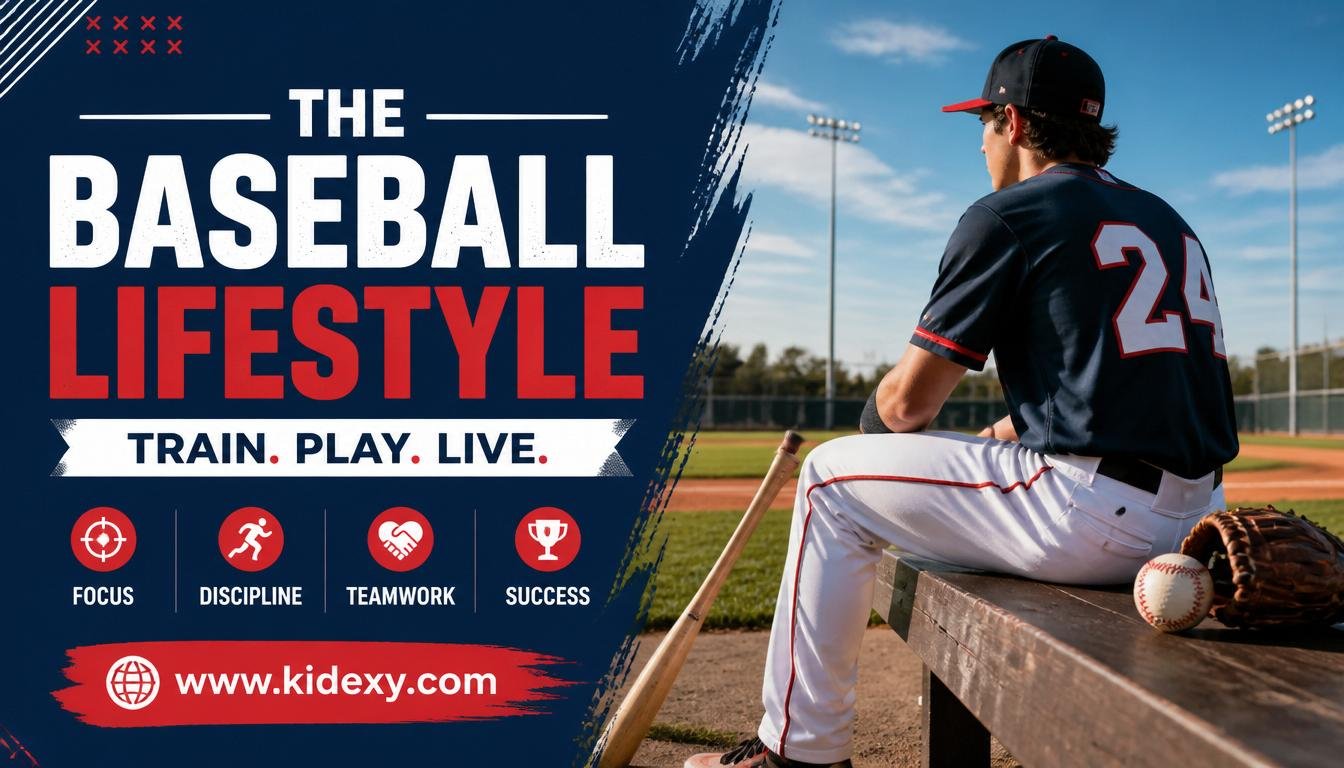
Baseball has always been more than a game. While fans often focus on exciting plays, championships, and star athletes, the sport also creates a unique culture that influences everyday life. From the values players develop to the friendships they build, baseball leaves a lasting impact that extends far beyond the field.
For many athletes, the game becomes part of their identity. The habits learned through training, competition, and teamwork shape how they approach challenges in school, work, and personal life. This is where the concept of a baseball lifestyle comes into play. It represents a way of living that embraces discipline, dedication, respect, and a genuine passion for the sport.
Understanding the Culture of the Game
What Makes Baseball More Than a Sport?
Baseball stands apart because of its deep traditions and life lessons. Every practice, game, and season teaches players valuable skills that extend beyond athletic performance. Patience, focus, teamwork, and perseverance are all qualities that become stronger through participation in the sport.
The game also creates a sense of belonging. Players spend countless hours with teammates, coaches, and families who support their journey. These relationships often become some of the most meaningful connections in a person’s life. As a result, baseball becomes more than recreation—it becomes a community.
How Modern Players Connect With Tradition
Although training methods and equipment continue to evolve, many of the sport’s core values remain unchanged. Respect for teammates, commitment to improvement, and a strong work ethic are still essential characteristics of successful athletes.
Modern players blend these traditional values with new opportunities. Technology, advanced coaching techniques, and greater access to information allow athletes to improve faster while maintaining the spirit that has always defined the game.
Building Strong Habits On and Off the Field
Developing Discipline Through Daily Practice
Success in baseball rarely happens by accident. Consistent effort is required to develop skills and improve performance. Players who commit to regular practice often see the greatest long-term progress.
Discipline extends beyond training sessions. It includes arriving prepared, maintaining focus during drills, and staying committed even when improvement feels slow. These habits help athletes become more dependable and confident in every area of life.
Creating a Winning Mindset
A strong mindset is one of the most important tools an athlete can possess. Baseball is filled with challenges, and even the best players experience failure. Learning how to respond positively to setbacks is a critical part of growth.
Athletes who develop resilience understand that mistakes are opportunities to learn. Instead of becoming discouraged, they use challenges as motivation to improve and continue moving forward.
Fashion Trends Inspired by the Diamond
Choosing Comfortable Athletic Apparel
Clothing plays an important role in helping athletes perform at their best. Comfortable apparel allows players to move freely during training, travel, and everyday activities.
Many athletes prefer versatile clothing that combines performance features with casual style. This approach allows them to stay comfortable while expressing their connection to the game.
Popular Styles Among Players and Fans
Baseball-inspired fashion continues to grow in popularity. Graphic shirts, hoodies, athletic shorts, and caps have become common choices among players and supporters alike.
These styles help individuals showcase their passion for the sport while maintaining a relaxed and modern appearance. The popularity of this trend demonstrates how deeply baseball culture influences everyday life.
Training Methods for Better Performance
Physical Conditioning Essentials
Athletic success requires a strong physical foundation. Conditioning programs help players improve strength, speed, endurance, and flexibility. These qualities contribute directly to better performance on the field.
Consistent conditioning also helps reduce injury risks. When athletes prioritize fitness, they are better prepared to handle the demands of competition throughout the season.
Improving Skills Through Consistent Practice
Skill development is an ongoing process. Whether working on hitting, throwing, fielding, or base running, players benefit from repetition and focused instruction.
Improvement often comes from small adjustments made over time. Athletes who remain patient and committed to practice are more likely to achieve lasting success than those seeking quick results.
Mental Preparation for Competition
Physical ability alone does not guarantee strong performance. Mental preparation plays a significant role in helping players stay focused under pressure.
Visualization techniques, positive self-talk, and goal setting can all improve confidence. Athletes who strengthen their mental game are often better equipped to handle difficult situations during competition.
Nutrition and Recovery Strategies
Healthy Eating for Athletes
Nutrition provides the fuel needed for training, competition, and recovery. A balanced diet helps athletes maintain energy, build strength, and support overall health.
Players benefit from meals that include lean proteins, complex carbohydrates, healthy fats, and nutrient-rich fruits and vegetables. Proper hydration is equally important for maintaining peak performance.
The Importance of Rest and Recovery
Recovery is often overlooked, but it is essential for long-term success. Intense training places stress on the body, making rest necessary for repair and growth.
Quality sleep, stretching routines, and active recovery techniques help athletes remain healthy and prepared for future challenges. Consistent recovery habits often separate successful players from those who struggle with fatigue and injuries.
Technology and Player Development
Using Digital Tools to Improve Skills
Technology has transformed how athletes learn and develop. Video analysis, performance tracking systems, and training applications provide valuable feedback that helps players identify areas for improvement.
These tools allow athletes to make informed adjustments and monitor progress over time. When used effectively, technology can accelerate development and enhance overall performance.
The Influence of Social Media
Social media has become a powerful part of modern sports culture. Athletes can connect with fans, learn from professionals, and share their experiences with a global audience.
When used responsibly, these platforms create opportunities for growth and community engagement. They also help strengthen connections among players who share similar goals and interests.
Life Lessons Learned Through Baseball
Personal Growth and Leadership
Baseball teaches valuable lessons that extend far beyond athletic competition. Players learn responsibility, accountability, and the importance of working toward long-term goals.
Leadership often develops naturally through the sport. Athletes who support teammates, communicate effectively, and lead by example gain skills that benefit them throughout their lives.
Building Community Connections
The sport brings people together from different backgrounds and experiences. Teams, leagues, and local organizations create environments where friendships and support systems can flourish.
These connections strengthen communities and encourage positive relationships. Many players continue contributing to the sport through coaching, mentoring, and volunteer work long after their playing careers end.
Challenges Modern Athletes Face
Balancing Sports and Daily Responsibilities
Today’s athletes often manage busy schedules that include academics, work, family obligations, and training commitments. Balancing these responsibilities can be challenging.
Effective time management helps players stay organized and productive. Establishing priorities and maintaining a structured routine allows athletes to pursue their goals without becoming overwhelmed.
Staying Motivated During Difficult Times
Every player encounters obstacles. Injuries, performance slumps, and competitive setbacks are all part of the athletic journey.
Maintaining motivation requires patience and perspective. Athletes who focus on gradual improvement rather than immediate results are more likely to remain committed during difficult periods.
Looking Ahead
Emerging Trends in the Sport
The future of baseball continues to evolve through innovation and new opportunities. Advances in training methods, analytics, and equipment are helping athletes reach higher levels of performance.
At the same time, the sport remains rooted in traditions that have inspired generations of players. This combination of innovation and heritage keeps baseball relevant and exciting.
Opportunities for Future Players
Young athletes now have access to resources that were unavailable in previous generations. Coaching programs, online learning platforms, and advanced training technologies provide new pathways for development.
Despite these advantages, the qualities that drive success remain unchanged. Hard work, consistency, and a passion for improvement will always be essential for athletes pursuing their goals.
Conclusion
The baseball lifestyle represents much more than participation in a sport. It reflects a commitment to growth, teamwork, discipline, and lifelong learning. These values influence how athletes train, interact with others, and approach challenges in everyday life.
Whether someone is a competitive player, a dedicated fan, or a newcomer to the game, embracing the principles associated with baseball can lead to meaningful personal development. The lessons learned through the sport continue to inspire individuals long after they leave the field, making baseball a lasting and rewarding part of life.
FAQs
What does baseball lifestyle mean?
It refers to a way of living that incorporates the values, habits, culture, and mindset developed through participation in or appreciation of baseball.
Why is baseball considered more than a sport?
Baseball teaches important life skills such as discipline, teamwork, leadership, patience, and perseverance that apply beyond athletic competition.
How can young athletes benefit from baseball culture?
Young players can develop confidence, responsibility, communication skills, and strong relationships while learning valuable lessons about commitment and personal growth.
What role does fitness play in athletic success?
Fitness helps athletes improve performance, reduce injury risk, maintain energy levels, and stay physically prepared for competition throughout the season.
How is technology changing player development?
Technology provides tools such as video analysis, performance tracking, and digital training resources that help athletes improve skills and monitor progress more effectively.
you may also read

Welcome to Blogeenex! I’m Afaq Naqshbandi, an AI-Powered SEO, and Content Writer with 3 years of experience.
I help websites rank higher, grow traffic, and look amazing. My goal is to make SEO and web design simple and effective for everyone.
Let’s achieve more together!
1 thought on “Baseball Lifestyle Guide for Modern Players”