
Introduction
Imagine two people living in the same country but experiencing very different chances of staying healthy. One has easy access to doctors, healthy food, safe housing, and reliable transportation. The other faces long travel times for medical care, financial stress, and limited access to nutritious meals. These differences often lead to very different health outcomes.
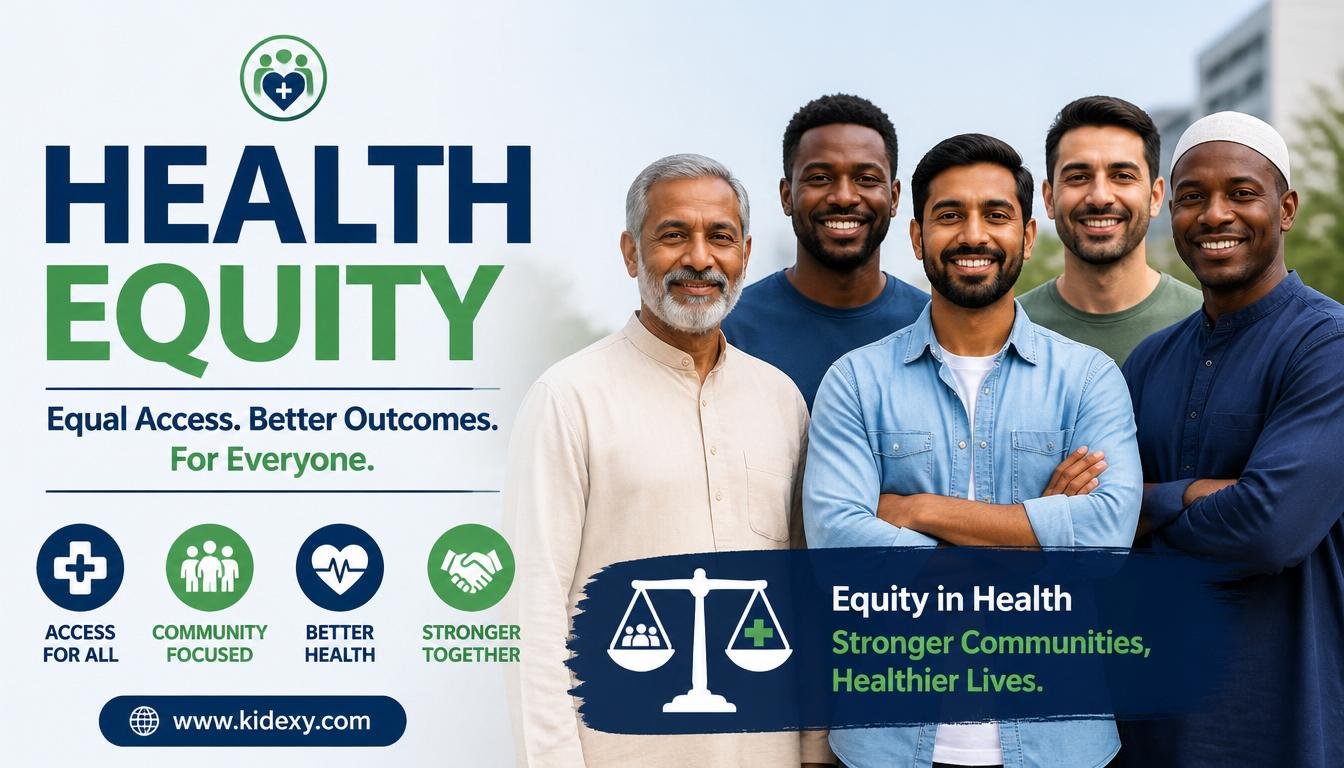
Health equity focuses on creating fair opportunities for everyone to achieve their best possible health. It recognizes that people start from different circumstances and may need different levels of support to reach similar health outcomes. Instead of treating everyone exactly the same, the goal is to remove avoidable barriers that prevent individuals and communities from living healthy lives.
As healthcare systems evolve, governments, medical organizations, and communities are paying increasing attention to reducing health disparities. Understanding this topic helps individuals make informed decisions and supports efforts to build healthier communities for future generations.
What Is Health Equity?
Health equity means that everyone has a fair and just opportunity to be as healthy as possible. Achieving this goal requires identifying and addressing obstacles such as poverty, discrimination, lack of access to healthcare, and unsafe living conditions.
Many people confuse equity with equality. Equality gives everyone the same resources, while equity recognizes that different people may need different support to reach similar outcomes. For example, a community with limited healthcare facilities may require additional investment compared with an area that already has abundant medical services.
The concept is important because health is influenced by much more than medical treatment alone. Education, employment, housing, transportation, and social support all affect a person’s ability to stay healthy and recover from illness.
Core Principles of Fair Healthcare Access
Removing Preventable Barriers
One of the central ideas behind equitable healthcare is identifying barriers that can be prevented or reduced. These may include high medical costs, lack of insurance, language difficulties, or limited transportation options.
When these barriers are addressed, more people can access preventive services, receive timely treatment, and manage chronic conditions more effectively.
Supporting Inclusive Healthcare
Healthcare systems work best when they serve people from diverse backgrounds. This includes providing culturally sensitive care, offering translation services when needed, and ensuring that patients feel respected and understood.
Inclusive healthcare improves communication between patients and providers, which can lead to better treatment decisions and stronger trust in the healthcare system.
Factors That Influence Health Outcomes
Income and Financial Stability
Financial resources affect many aspects of health. People with stable incomes are often better able to afford medical care, healthy food, and safe housing.
Financial stress can also affect mental and physical health, increasing the risk of conditions such as anxiety, depression, and high blood pressure.
Education and Health Literacy
Education helps people understand health information, navigate healthcare systems, and make informed decisions about prevention and treatment.
Individuals with stronger health literacy are often more likely to seek preventive care and follow treatment recommendations.
Housing and Neighborhood Environment
Safe housing and healthy neighborhoods play a major role in overall well-being. Access to clean air, safe parks, and quality schools can positively influence long-term health.
In contrast, exposure to pollution, unsafe buildings, or high-crime areas can contribute to poorer health outcomes.
Transportation and Food Access
Reliable transportation helps people attend medical appointments and access essential services. Access to affordable, nutritious food also supports healthy growth, disease prevention, and better quality of life.
Common Barriers to Better Health
Limited Access to Healthcare Providers
Many rural and underserved communities face shortages of doctors, specialists, and healthcare facilities. Long travel distances can delay diagnosis and treatment.
Telehealth has improved access in some areas, but not everyone has reliable internet service or the necessary technology.
Affordability Challenges
Healthcare costs remain a significant concern for many families. Even insured individuals may struggle with deductibles, copayments, and medication expenses.
When care becomes too expensive, people may postpone treatment, skip medications, or avoid preventive services altogether.
Discrimination and Bias
Some individuals experience unfair treatment based on factors such as race, ethnicity, disability, age, or language. These experiences can reduce trust in healthcare systems and discourage people from seeking care.
Addressing bias and improving cultural competence are important steps toward creating more welcoming healthcare environments.
Benefits of Health Equity
Better Individual Health
When people have fair access to healthcare and supportive living conditions, they are more likely to receive preventive care, manage chronic diseases effectively, and live longer, healthier lives.
Early detection of illness often leads to better outcomes and lower treatment costs over time.
Stronger Communities
Healthy communities tend to have higher productivity, stronger social connections, and lower rates of preventable disease. Children are better able to learn, adults are better able to work, and families experience greater stability.
These benefits extend beyond healthcare and contribute to broader economic and social well-being.
Reduced Healthcare Costs
Preventive care and early treatment can reduce the need for expensive emergency visits and hospitalizations. Investing in health equity can help healthcare systems operate more efficiently while improving outcomes for patients.
Communities that focus on prevention often see long-term savings and healthier populations.
Health Equity in Different Healthcare Settings
Primary Care
Primary care is often the first point of contact for people seeking medical attention. Regular checkups, preventive screenings, and early treatment help identify health concerns before they become more serious. When primary care is accessible and affordable, people are more likely to maintain their overall well-being.
Healthcare providers can also build long-term relationships with patients, making it easier to understand their medical history, lifestyle, and personal needs. This personalized approach supports better decision-making and encourages preventive care.
Hospitals and Emergency Services
Hospitals play a vital role in treating illnesses, injuries, and medical emergencies. Every patient should receive timely, respectful, and high-quality care regardless of their background or financial situation.
Emergency departments are particularly important because they serve individuals during critical situations. Ensuring equal access to emergency care helps improve survival rates and long-term recovery.
Mental Health Services
Mental health deserves the same attention as physical health. Access to counseling, therapy, and psychiatric care allows people to manage conditions such as anxiety, depression, and stress more effectively.
Reducing stigma surrounding mental health also encourages individuals to seek help early, improving both personal well-being and community health.
Maternal and Child Healthcare
Healthy pregnancies and early childhood care create a strong foundation for lifelong wellness. Prenatal care, routine vaccinations, and regular pediatric checkups help protect both mothers and children.
Supporting families during pregnancy and childhood contributes to healthier future generations and reduces preventable complications.
Rural and Community Healthcare
People living in rural areas often experience longer travel distances to healthcare facilities and fewer available specialists. Community health centers help bridge these gaps by offering affordable medical services close to where people live.
Mobile clinics, outreach programs, and telemedicine continue to expand healthcare access in underserved regions.
Strategies to Improve Healthcare Access
Strengthening Preventive Care
Preventive healthcare remains one of the most effective ways to improve public health. Routine screenings, vaccinations, health education, and wellness programs help detect illnesses early and reduce the burden of chronic diseases.
Encouraging regular medical visits also allows healthcare professionals to identify risk factors before they develop into more serious conditions.
Improving Health Education
People make better healthcare decisions when they understand reliable medical information. Educational campaigns can increase awareness about nutrition, physical activity, disease prevention, and available healthcare services.
Clear communication using simple language helps individuals from diverse backgrounds understand treatment options and follow medical advice confidently.
Addressing Social Determinants of Health
Many health outcomes are influenced by daily living conditions rather than medical treatment alone. Stable housing, quality education, safe neighborhoods, nutritious food, and employment opportunities all contribute to healthier lives.
Improving these conditions requires collaboration between healthcare providers, educators, community organizations, and policymakers.
Expanding Healthcare Innovation
Technology continues to improve the delivery of healthcare services. Electronic medical records, virtual appointments, wearable health devices, and remote monitoring allow patients to receive care more conveniently.
Digital innovations can also help providers identify underserved populations and develop targeted programs that improve access to essential services.
The Role of Government, Healthcare Providers, and Communities
Government Leadership
Public policies shape healthcare systems through funding, regulations, and public health initiatives. Governments can improve access by supporting community clinics, expanding preventive services, and investing in healthcare infrastructure.
Policies that address education, housing, nutrition, and transportation also influence long-term public health outcomes.
Healthcare Professionals
Doctors, nurses, pharmacists, therapists, and other healthcare workers play an essential role in delivering compassionate, patient-centered care. Listening carefully, respecting cultural differences, and communicating clearly strengthen relationships between providers and patients.
Ongoing professional training helps healthcare workers recognize barriers that may affect patient care and develop more inclusive practices.
Community Organizations
Local organizations often understand the unique needs of their communities better than anyone else. They provide education, outreach programs, health screenings, food assistance, and wellness initiatives that complement traditional healthcare services.
Working together with hospitals and public health agencies creates stronger support systems for families and individuals.
Individual Responsibility
Everyone can contribute to healthier communities by making informed lifestyle choices, attending regular medical appointments, supporting public health initiatives, and encouraging others to seek preventive care.
Small actions taken consistently can create meaningful improvements over time.
Future Opportunities
Healthcare continues to evolve through research, technology, and policy improvements. Artificial intelligence, personalized medicine, remote healthcare, and advanced data analysis are helping providers better understand patient needs and improve healthcare delivery.
Future progress will depend on continued collaboration among governments, healthcare organizations, researchers, businesses, and local communities. Investing in education, prevention, and innovation creates stronger healthcare systems that serve people more effectively.
As awareness grows, organizations are increasingly developing programs that reduce barriers and improve healthcare experiences for diverse populations. Continued commitment to fairness and accessibility will remain essential for building healthier societies.
Conclusion
Creating healthier communities requires more than excellent hospitals and advanced medical technology. It also requires ensuring that every individual has a fair opportunity to receive quality care, access essential resources, and live in conditions that support long-term well-being.
Health equity encourages healthcare systems to recognize the different challenges people face and to remove barriers that prevent better outcomes. By improving education, expanding access to care, strengthening preventive services, and supporting community partnerships, society can move toward healthier and more resilient populations.
Although meaningful progress takes time, collaboration among governments, healthcare professionals, community organizations, and individuals can create lasting improvements that benefit everyone.
Frequently Asked Questions
What is the difference between health equity and equality?
Equality provides everyone with the same resources, while equity recognizes that different people may require different levels of support to achieve similar health outcomes.
Why is preventive care important?
Preventive care helps detect health problems early, reduces the risk of serious illnesses, lowers healthcare costs, and improves overall quality of life.
What are social determinants of health?
Social determinants include factors such as education, housing, employment, transportation, income, and access to nutritious food that influence a person’s health and well-being.
How can communities improve healthcare access?
Communities can expand healthcare access by supporting local clinics, promoting health education, improving transportation, encouraging preventive care, and strengthening partnerships with healthcare providers.
Why is health equity important for the future?
Improving health equity helps reduce preventable illnesses, strengthens communities, lowers healthcare costs, and creates a healthcare system that offers fair opportunities for everyone to achieve better health.
you may also read

Welcome to Blogeenex! I’m Afaq Naqshbandi, an AI-Powered SEO, and Content Writer with 3 years of experience.
I help websites rank higher, grow traffic, and look amazing. My goal is to make SEO and web design simple and effective for everyone.
Let’s achieve more together!